


Learning at ECA
From the first years of discovery to the final steps towards Grade 12, each stage of learning is designed to build strong foundations, encourage independence and prepare learners confidently for what comes next.
Choose Your Learning Path
Preparatory
High School
How Learning Comes to Life at ECA.
Discover
We create a safe space for learners to explore, ask questions and discover their God-given potential.
Develop
Our approach builds strong foundations academically, personally and spiritually.
Prepare
We develop learners who are purposeful, resilient and ready to make a meaningful difference.
What Learning Looks Like at ECA
Small Learning Groups
Individual Attention
Christian Worldview
Leadership Development
Technology Integration
Safe and Secure Environment
Beyond the Classroom
Leadership
Developing confident leaders who communicate clearly, influence positively and serve with integrity.
Community Outreach
Working alongside Fountain of Life Crèche and Dayspring ECD to serve children and make a meaningful impact in our surrounding communities.
Sport & Recreation
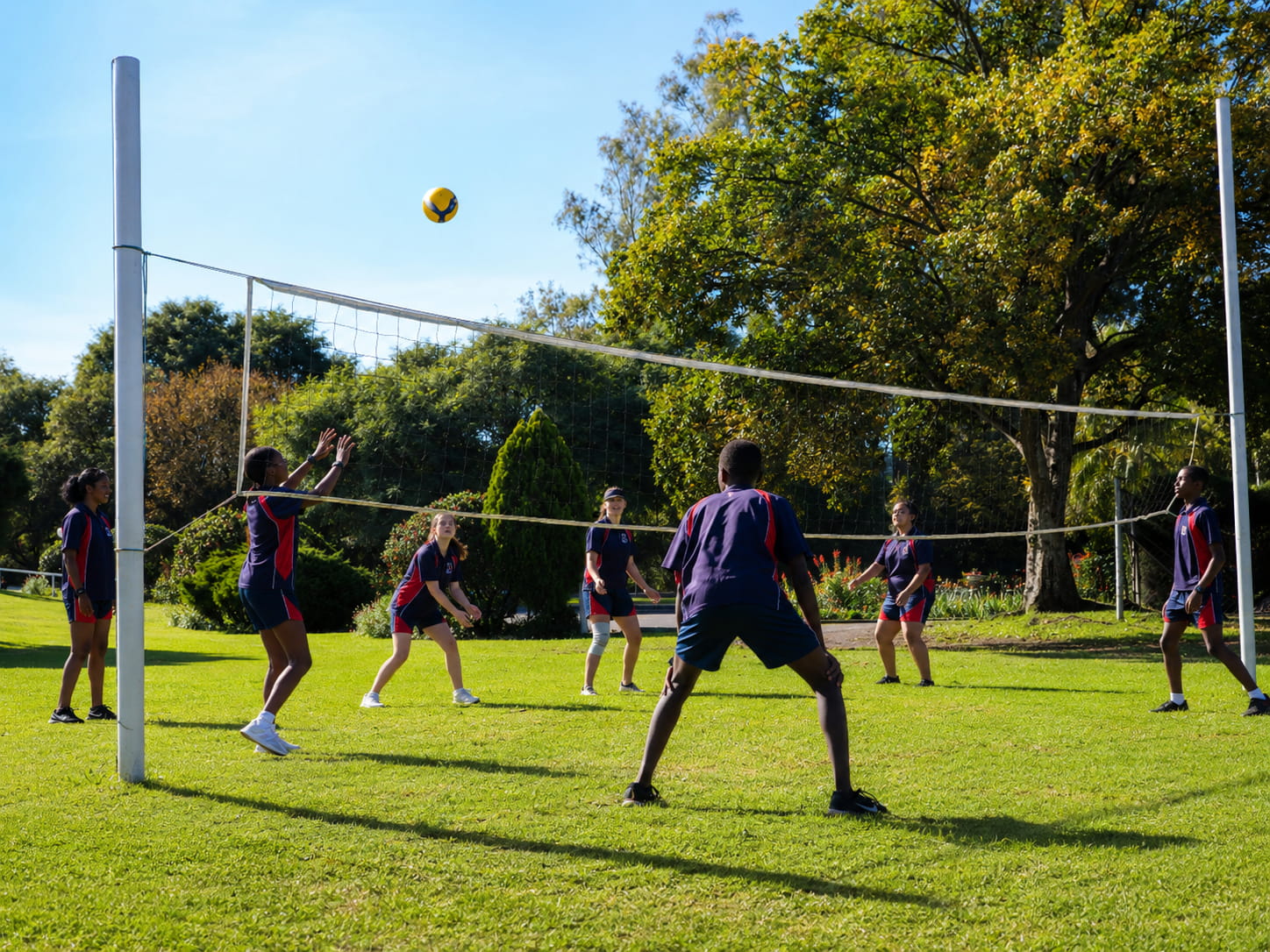
Building teamwork, fitness, resilience and healthy competition through active participation.
Events & Camps
Creating memorable experiences that build confidence, strengthen friendships and encourage personal growth.
Frequently Asked Questions
Find answers to some of the questions parents most often ask about learning, support and everyday life at ECA.
Which curriculum and learning pathways does ECA offer?
ECA provides a different learning approach for each stage of a learner’s development:
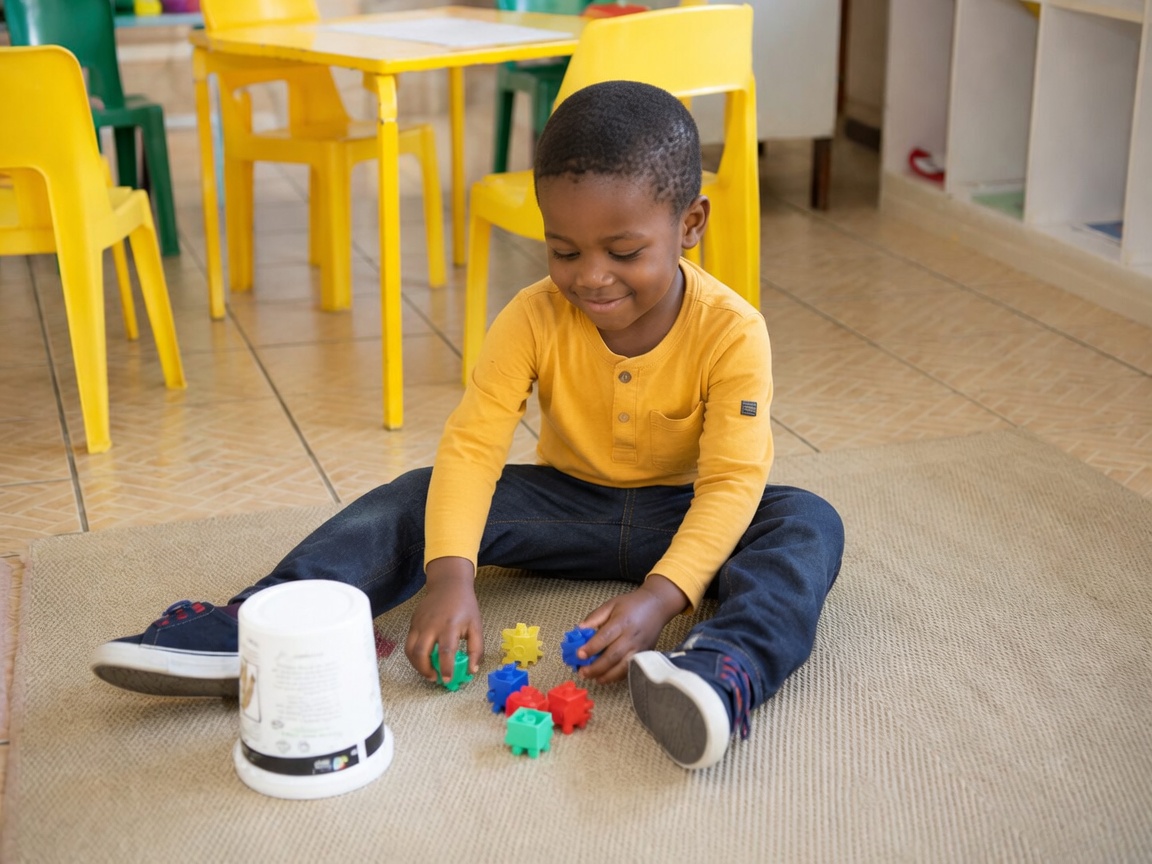
- Pre-School: Play-based, child-centred learning for children from 18 months through to Grade R.
- Grades 1–7: The ACE curriculum, using individualised PACEs that allow learners to work systematically towards mastery.
- Grades 8–12: Flexible online learning pathways through Hatfield Online and Think Digital Academy.
The school works with each family to determine the most suitable grade placement or High School pathway according to the learner’s previous schooling, academic needs and future goals.
How is learning personalised for each child?
ECA uses small learning groups, individual attention and regular progress monitoring to help teachers understand how each learner is progressing.
In Grades 1–7, the ACE PACE system allows learners to work at an appropriate level and pace in each subject. A learner may require more time in one area while progressing more quickly in another. Teachers check work, explain difficult concepts and help learners develop strong, independent learning habits.
In High School, learners follow their selected online pathway while receiving personal guidance, progress monitoring and support from ECA staff. This combines the flexibility of online learning with the structure and accountability of a school environment.
What support is available if my child needs additional help?
Teachers monitor each learner’s work and progress so that difficulties can be identified as early as possible. Support may include additional explanation, individual guidance, adjusted learning goals, closer progress monitoring and communication with parents.
ECA also works in association with an occupational therapist and a speech therapist. Where a learner may benefit from specialist input, the school can discuss this with the parents and help guide the referral process.
Any specialist assessment or therapy is discussed with the family beforehand. The recommended support, availability and any related arrangements are confirmed directly with the parents.
How are learners assessed and how is progress shared with parents?
Assessment is continuous and appropriate to each learning phase:
- Pre-School: Teachers observe each child’s development, participation, communication, confidence and readiness skills through everyday activities.
- Grades 1–7: Learners complete PACE activities, self-tests, check-ups and tests. These help confirm that a concept has been understood before the learner progresses.
- Grades 8–12: Assessments, assignments and examinations follow the requirements of the learner’s selected online provider.
ECA staff monitor academic progress and communicate with parents through reports, meetings and direct contact when a concern needs attention. Parents do not have to wait until the end of the year to hear that their child is experiencing difficulty.
Can my child join ECA during the school year?
Applications may be submitted during the school year. Admission is subject to available space, the learner’s previous academic records, suitable grade placement and completion of the school’s admissions process.
For Grades 1–7, the school may need to determine the learner’s appropriate academic starting point within the ACE programme. For Grades 8–12, admission also depends on the enrolment requirements and timelines of the selected online learning provider.
Once placement has been confirmed, ECA will help the learner understand the new learning system and settle into the school environment as smoothly as possible.
How is the Christian worldview included in everyday learning?
ECA’s Christian ethos is not limited to a single lesson. Biblical truth and Christian values shape the way learners are taught, supported, corrected and encouraged throughout the school day.
Learners are encouraged to understand their God-given value and potential, treat others with respect, take responsibility for their choices and use their abilities to serve others. Faith is also expressed through age-appropriate Bible teaching, prayer, character development, leadership and community service.
The aim is to help learners grow academically while also developing integrity, compassion, courage, responsibility and a personal understanding of Christian faith.
What technology or equipment will my child need?
Requirements differ according to the learner’s school phase.
- Pre-School: Parents receive a list of the personal and classroom items their child will need.
- Grades 1–7: Learners work mainly through their PACEs and supporting learning materials. The school will provide parents with the relevant stationery, uniform and resource requirements.
- Grades 8–12: Learners require access to a reliable laptop, suitable headphones and the internet because their academic programme is delivered through an online learning platform.
Families should confirm the current device and software requirements with ECA before purchasing a laptop, as the specifications may differ between Hatfield Online and Think Digital Academy.
What does a typical school day look like at ECA?
The structure of the day differs between Pre-School, Preparatory and High School.
- Pre-School: The day includes guided play, stories, creative activities, movement, outdoor play, social interaction and age-appropriate learning experiences.
- Grades 1–7: Learners work through planned PACE goals, receive teacher guidance, complete corrections and tests, and participate in breaks, character-building activities and other school programmes.
- Grades 8–12: Learners complete online lessons, assignments and independent study while receiving guidance, supervision and progress support from ECA staff.
Across every phase, the day is structured to develop concentration, responsibility, positive relationships and increasing independence. Exact starting times, finishing times and daily timetables are confirmed by the school for each phase.